Environmental Protection
Environmental protection and a high level of environmental safety at Transneft’s operational facilities are the Company’s highest and unswerving priorities.
In keeping with the Integrated Policy in Occupational Safety, Energy Efficiency, Industrial and Environmental Safety, the Company’s key principles are:
- prevention and reduction of negative environmental impact, as well as the rational use of natural resources;
- involvement of personnel at all levels in improvement of the Environmental Management System;
- disclosure of relevant information on environmental activities.
The EMS (Environmental Management System) has been developed and implemented at the Transneft Group to pursue the Policy in accordance with the ISO 14001 international standard. The EMS is continuously improved. In 2020, 27 Environmental Management System audits were carried out to verify compliance with the provisions of ISO 14001:2015. The audits revealed that the Company’s EMS meets the requirements.
An effective system for monitoring air, water and soil quality is in place at all operating facilities of Transneft. 53 environmental analysis laboratories staffed with highly skilled specialists and outfitted with state-of-the-art analytical equipment ensure that the system works; all the laboratories have been accredited by RusAccreditation.
Environmental and analytical monitoring is carried out in accordance with the schedules approved by regulatory authorities. In 2020, over 720 thousand environmental tests were performed, of which 653 thousand were performed by the Company’s laboratories. The records of all the tests are timely submitted to supervisory bodies in accordance with the approved schedules. The tests revealed no violations of permissible limits.
In 2020, the current expenditures on environmental protection amounted to
In pursuance of the Federal Laws on Environmental Protection and on Protection of Atmospheric Air and the UN Framework Convention on Climate Change, in 2020 the Transneft Long-Term Development Programme provided for a 1% reduction in the specific air pollutant emissions to reduce the negative environmental impact rendered by the Company’s operations.
Specific air pollutant emissions went down by 0.01292 kg/t (9%) to reach 0.12810 kg/t in 2020. The specific air pollutant emissions reduction plan for 2020 was delivered to the full extent.
The gross emission of air pollutants decreased by 12.334 thousand tonnes compared to 2019 and amounted to 61.386 thousand tonnes.
Overall, during the reporting year, 12.202 thousand tonnes of pollutant emissions were captured and neutralised.
Water consumption came to 10.3 million m3 in 2020 (in 2019 – 11.1 million m3).
The volume of wastewater disposal in 2020 amounted to 7.3 million m3 (in 2019 — 8.8 million m3).
In 2020, four wastewater treatment plants were commissioned, including three treatment facilities for utility water, and one for industrial and storm wastewater. Two wastewater treatment plants were manufactured, assembled and brought to the design capacity through the effort of Tyumen Machinery and Repair Plant of Transneft Siberia.
The set of water protection measures resulted in the elimination of insufficiently treated wastewater discharged to water bodies.
The main volume of greenhouse gas emitted from Transneft’s operational facilities is attributable to stationary fuel combustion in boiler houses to generate thermal energy for own needs. The equipment used for this purpose enjoys the most advanced technical solutions available, ensuring minimum fuel consumption along with a high efficiency, thus achieving the lowest CO2 emissions possible.
There was developed and approved a corporate Energy Saving and Energy Efficiency Enhancement Programme, under which measures are taken to reduce the volume of greenhouse gas emissions, such as:
- conducting technical upgrading of boiler houses and installing modern energy efficient boilers, as well as conversion from oil fuel to gas;
- development and implementation of innovative heat and power equipment;
- overhauling heating networks and replacing thermal insulation materials to reduce heat loss;
Ongoing research covers:
- study on ways to reduce / neutralise greenhouse gas emissions into the atmosphere at oil and petroleum products transportation and storage facilities.
- development of methodological recommendations for the calculation of greenhouse gas emissions into the atmosphere at oil and petroleum products transportation and storage facilities.
In 2020, greenhouse gas emissions decreased by 45.6 thousand tonnes compared to 2019 and amounted to 342.2 thousand tonnes.

As part of the Programme for the Biodiversity Conservation in the locations of the Company’s facilities, the following key activities were implemented in 2020:
1. Reproduction of Aquatic Fauna
As part of the annual events for the artificial reproduction of aquatic biological resources and maintaining the balance of the ecosystem in the areas along the pipeline route, more than three million fish juveniles were released in 2020.
2. Reforestation, Afforestation and Coast&Banks Clean Up Activities
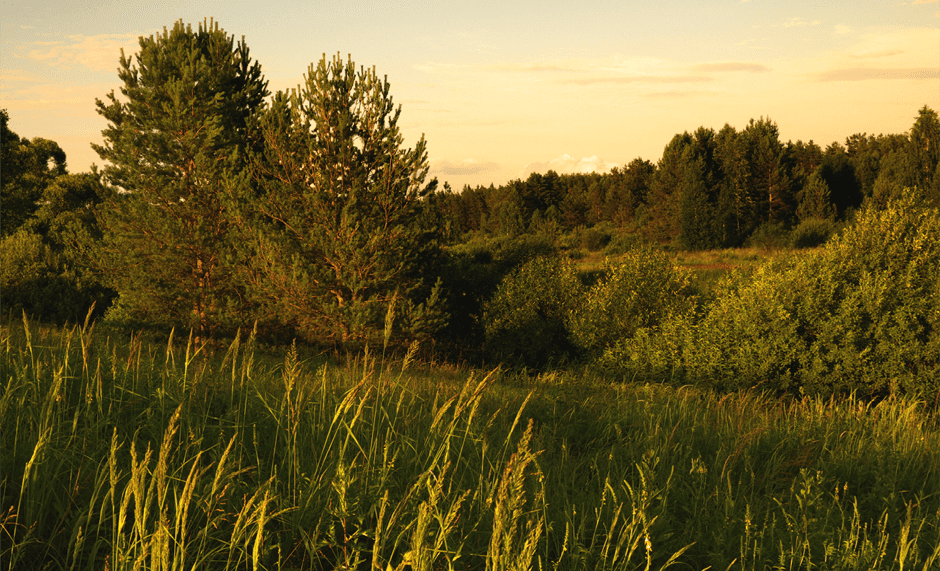
In 2020, with the support of Transneft, trees and shrubs were planted to preserve flora and clean water bodies and their water protection zones from debris. This makes it possible to preserve the ecosystems of water bodies and improve the sanitary and public health situation of the territories. In the course of such environmental campaigns, more than 5 thousand trees were planted.
In total, in accordance with the rules of reforestation in 2020, 1.7 million trees and 1.3 thousand shrubs were planted.
3. The use of aquaculture for environmental monitoring of marine areas in the ports of Transneft
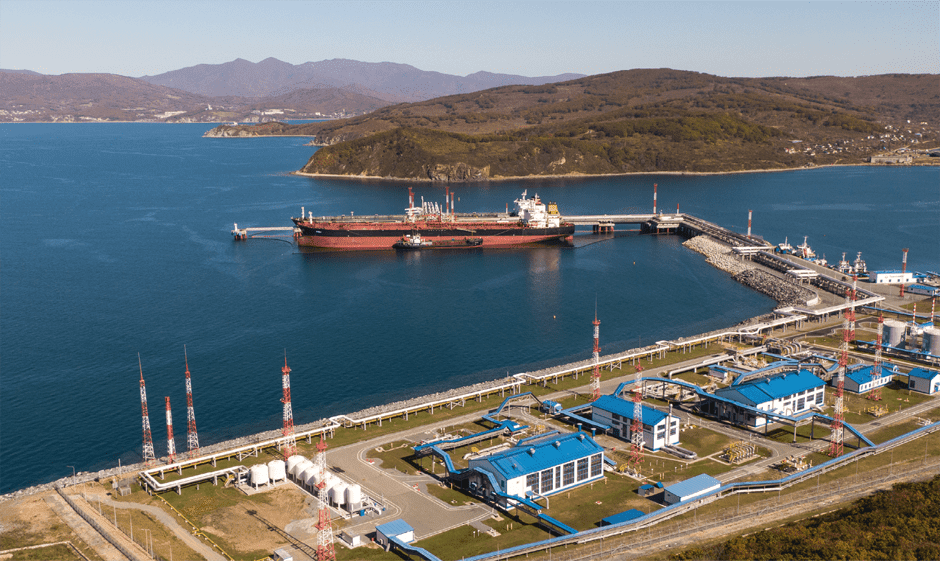
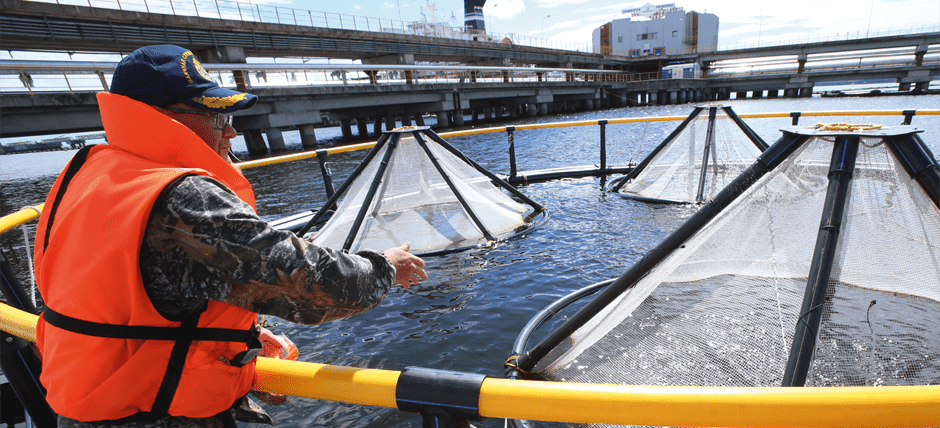
Biomonitoring was organised in Kozmino Bay in the Sea of Japan, 250 m east of the berths at Kozmino Port. A farm for breeding aquatic hydrobionts and plants was created on the area of 7 hectares.
Comprehensive monitoring of the environmental condition of the communities of such aquatic organisms as Japanese scallop, Pacific mussel, laminaria and trepangs showed that the operations of Transneft Kozmino Port provided no negative human impact on the adjacent waters.
The test farm contributes to biodiversity of the Bay and reproduction of precious fauna species through creation of favourable conditions for living and spawning for marine inhabitants, as well as preserving the population of valuable commercial species.
In 2020, in order to increase the biodiversity of the bay of Nakhodka, Transneft Kozmino Port, LLC released 10 thousand specimens of Japanese scallop.
In 2019, a mariculture test farm was commissioned in the water area of the Björkösund Strait in the Gulf of Finland. It is inhabited by 900 Baltic whitefish and 600 rainbow trout. Comprehensive monitoring of the state of the sea area and marine inhabitants is carried out. No negative anthropogenic impact of Transneft Primorsk Port, LLC was revealed on the water area of the strait as a result of observations in 2020.
A similar test farm is being created for biomonitoring in the area where the production facilities of Chernomortransneft, JSC are located in the Tsemes Bay of the Black Sea. In 2021, it is planned to place (install) a site for biological test objects.
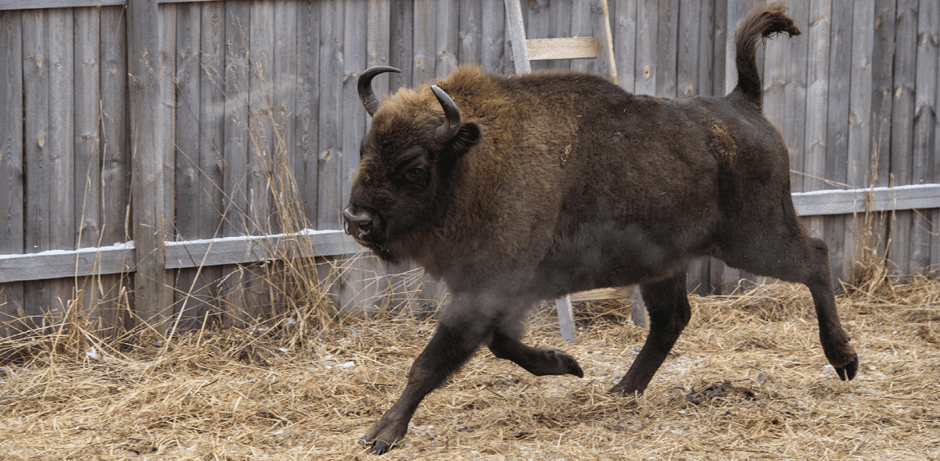
4. Support of the European Bison Population Restoration Programme
Since 2014, Transneft has been helping restore the bison population in Vladimir Region by providing financial support to Meshchera National Park. The company manages four protected areas (PAs) of federal significance: Meshchera and Meshchersky National Parks in Vladimir and Ryazan Regions respectively, as well as Murom and Klyazma Wildlife Reserves. Oil trunk pipelines and petroleum products pipelines run through the territory of all these specially protected natural areas.
The support of environmental projects helps mitigate the impact of hazardous production facilities on ecosystems. Thanks to the Company’s financial assistance, a stable population of bison was formed and their number in Murom Wildlife Reserve increased from 47 bisons in 2014 to 101 bisons, which is the maximum number of animals that this habitat could sustain.
In December 2020, specialists from Meshchera National Park caught young bison in Murom Wildlife Reserve in Gorokhovetsky District, Vladimir Region. Five animals were moved to an open-air cage complex in Gus-Khrustalny District, Vladimir Region, built with the support of Transneft. Eight more were sent to Mordovsky State Natural Reserve in Mordovia.
In 2021, it is planned to continue supporting Meshchera National Park for the implementation of the bison resettlement programme.
5. Measures to Prevent and Reduce the Risk of Birds’ Death due to Contact with Electric Power Transmission Line (ETL)
Using electric power transmission line supports for rest and hunting, birds are at risk of death and can cause technological failures of power equipment. In 2020, work continued to improve the environmental safety of the Group’s power grid facilities; as part of the project, route electric power transmission lines are equipped with bird protection devices. This minimises the risk for birds and preserves the flora by reducing the clearcut area. More than 200 km of track lines are equipped with bird protection devices.
The Company helps develop zoological parks, special protected zones and natural monuments, landscapes public gardens and park zones, promotes environmental culture and ecotourism.
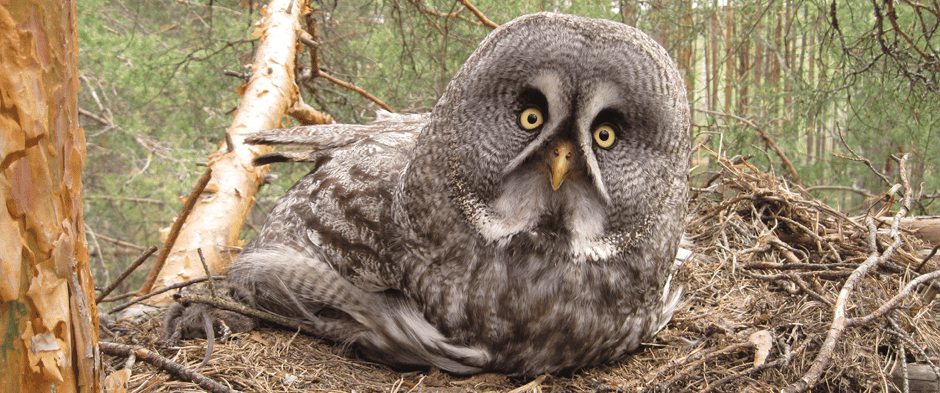
In order to improve nesting conditions, restore lost nesting places and increase the population of rare bird species, 87 artificial nests were installed in Nizhny Novgorod Region. Monitoring revealed nests of the Ural owl and the red-listed Boreal owl and osprey. In 2020, equipment was purchased to organise remote monitoring of the osprey’s nesting on an artificial nesting platform in Lyskovsky District, Nizhny Novgorod Region, in the immediate vicinity of the Surgut-Polotsk oil trunk pipeline. At the beginning of 2021, the equipment was installed and environmental monitoring of the nests is underway.